Thanks for checking out Juniper Tours’ Travel blog! We hope you enjoyed your read and if you’re looking for more content please check out our other blog posts! If you’re looking for help planning your next travel adventure then book a FREE travel consultation with one of our Travel Specialists today!
10-Day Ireland Heritage Tour Itinerary
From Dublin to Your Ancestral Village
10-Day Ireland Heritage Tour Itinerary: From Dublin to Your Ancestral Village
Looking for the best 10-day Ireland heritage tour itinerary?
The ideal route for ancestry-focused travelers is:
Dublin → your ancestral county → the West Coast (Galway, Clare, Kerry) → return to Dublin.
This structure lets you research your family records, walk the land your ancestors lived on, explore your home county, meet locals, and experience Ireland’s most meaningful cultural regions — without rushing.
The best time for a heritage tour is April–October, when rural towns and records offices have fuller schedules and weather is friendlier for exploring graveyards, homesteads, and open landscapes.
If you want this itinerary professionally researched and personalized to your genealogy, book a free planning consultation!
Introduction: Why a 10-Day Heritage Tour Is the Best Way to Discover Your Irish Roots
Ireland is one of the most rewarding places on earth for ancestral travel. It’s a country where local history still lives in parish books, rural towns, family farms, and older generations who remember names and stories.
A 10-day itinerary gives you:
-
Enough time to research in Dublin
-
Enough time to explore your ancestral county
-
Enough time to experience iconic Ireland (Cliffs of Moher, Wild Atlantic Way, Ring of Kerry)
-
Enough time to reflect without feeling rushed
This journey blends genealogy, history, culture, landscapes, and deeply personal moments.
To learn more about ancestry-focused travel, explore our pillar article!
Why This 10-Day Ireland Heritage Tour Works Perfectly
This itinerary is designed using Juniper Tours’ heritage-travel methodology. It works because:
-
It begins in Dublin, where the National Archives, National Library, and General Register Office hold the country’s largest record collections.
-
Days 3–6 take you directly to the county your ancestors lived in, where you can visit parishes, graveyards, townlands, and historical societies.
-
The final days bring you through the Wild Atlantic Way, offering the dramatic landscapes and Irish culture most travelers dream about.
-
A balanced structure ensures meaningful moments, not rushed checkboxes.
-
Every region you visit has genealogy infrastructure and local historians who can help.
For fully custom heritage itineraries:
https://junipertours.com/trip-types/custom-travel/
10-Day Ireland Heritage Tour Itinerary (Day-by-Day Breakdown)
Below is the complete guide — optimized for ancestry travelers and built with realistic transfers, record access times, and culturally rich experiences.
Days 1–2: Dublin — Research at National Archives & Explore the Capital
Day 1: Arrival in Dublin & First Cultural Immersion
-
Arrive at Dublin Airport (DUB)
-
Private transfer to your hotel
-
Walk through Grafton Street, Merrion Square, and St. Stephen’s Green
-
Visit the EPIC Museum — a must for ancestry-focused travelers
-
Dinner at a traditional Irish gastropub
A visit to the EPIC Museum provides the perfect introduction to your family’s story — it contextualizes Irish emigration experiences across centuries.
Day 2: Record Research Day — National Library, National Archives, GRO
This day is the foundation of your ancestry journey.
Where to go:
National Archives of Ireland
Best for: Census records (1901, 1911), wills, prison registers
National Library of Ireland
Best for: Catholic parish records, family names, local histories
General Register Office (GRO)
Best for: Birth, marriage, and death certificates
How we structure this day for clients:
-
Prioritization of your surname(s)
-
Organized research sequence to avoid wasted time
-
Appointments secured in advance
-
Local genealogist consultation (optional but extremely powerful)
Many travelers leave Dublin with:
-
Exact parish of origin
-
Confirmed townland
-
Names of siblings or parents
-
Documentation they can take with them to their county
-
A clear plan for Days 3–6
Book expert support for the Dublin research phase:
https://junipertours.com/appointment/
Days 3–6: Your Ancestral County — The Heart of Your Heritage Tour
This is the emotional core of the trip.
These days are customized based on your ancestral county — but here is the general structure.
Day 3: Travel to Your Ancestral Region & Introductory Exploration
Travel:
-
Train or private driver from Dublin to your ancestral county (2–4 hours depending on region)
Activities:
-
Visit the county’s local heritage center or genealogical society
-
Explore historic town centers
-
Visit local pubs or traditional music sessions
-
Check into a charming countryside B&B or historic manor hotel
Day 4: Parish Churches, Graveyards & Townlands
This is often the most emotional day of the entire trip.
You may visit:
-
The exact parish church your ancestors attended
-
Old graveyards with family surnames
-
The townland they lived in (Ireland’s smallest geographic division)
-
Rural roads or fields that appear in old records
Optional genealogist accompaniment:
A local historian can help you interpret burial markers, naming conventions, and pre-20th-century parish boundaries.
Day 5: Meet Local Historians & Explore Ancestral Homesteads
This day deepens your connection.
Possible experiences:
-
Meeting local historians who can explain your family’s place in regional history
-
Visiting old farm sites or homesteads
-
Touring heritage museums or folk parks
-
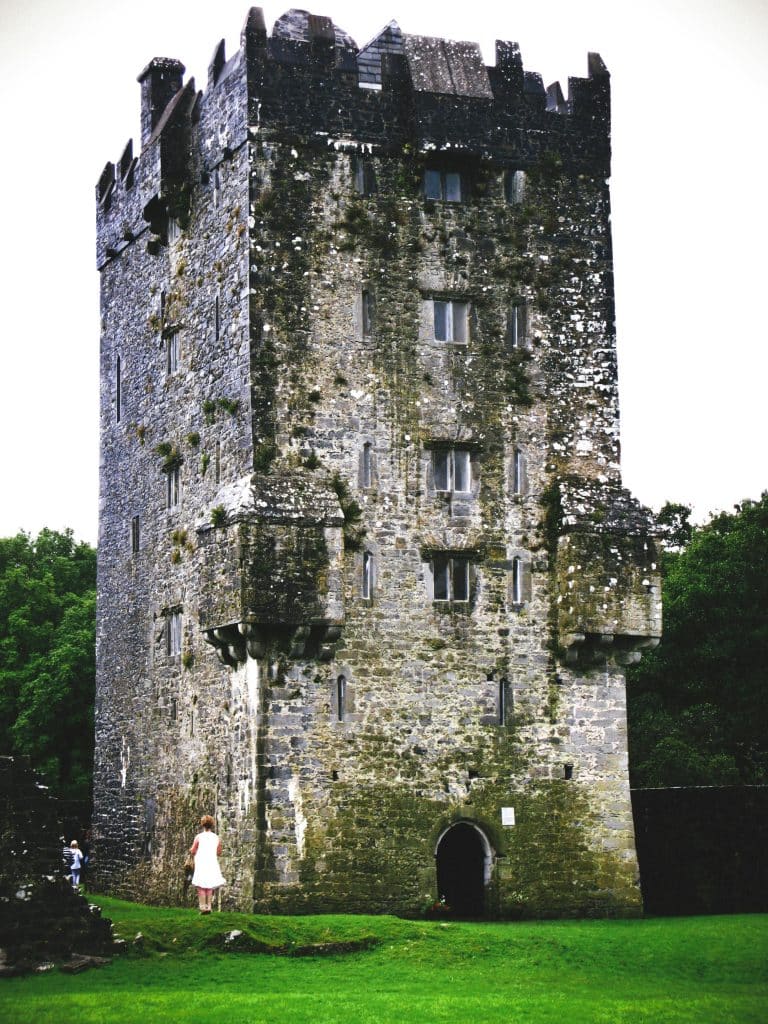
Exploring ruins, castles, or traditional cottages
These aren’t generic “tourist stops.”
They are your family’s landscape, brought to life.
Day 6: Regional Exploration & Cultural Immersion
Examples based on county:
If your roots are in County Cork
-
Blarney Castle
-
Kinsale village
-
Cobh Heritage Centre
If your roots are in County Mayo
-
Westport
-
Clew Bay
-
The National Famine Memorial
If your roots are in County Kerry
-
Killarney National Park
-
Muckross House
-
Gap of Dunloe
If your roots are in County Clare
-
Traditional music in Ennis
-
Burren landscape
-
Castles and ring forts
If your roots are in County Donegal
-
Slieve League cliffs
-
Glencolmcille Folk Village
To learn more about planning an Ireland heritage trip, visit your guide:
https://junipertours.com/blog/how-to-plan-ireland-heritage-tour/
Days 7–10: West Coast Ireland — Wild Atlantic Way, Galway, Clare & Kerry
After exploring your ancestral county, you’ll experience Ireland’s dramatic landscapes and rich rural culture.
Day 7: Cliffs of Moher & The Burren (County Clare)
Highlights:
-
Walk the Cliffs of Moher coastal path
-
Learn about Gaelic clans in County Clare
-
Explore the Burren, one of the world’s most unique landscapes
-
Optional sheepdog demonstration at a local farm
This region ties Ireland’s prehistoric, medieval, and modern history together beautifully.
Day 8: Galway — Music, Culture & Coastal Beauty
Galway is known for:
-
Traditional music
-
Seafood restaurants
-
Medieval lanes
-
Festivals
-
Art and craft shops
Recommended experiences:
-
Walk the Latin Quarter
-
Explore Eyre Square
-
Enjoy a live music session in a cozy pub
Galway is also an excellent base for Connemara exploration — one of Ireland’s most atmospheric regions.
Day 9: Ring of Kerry or Dingle Peninsula (County Kerry)
This day should not be rushed — you’re experiencing some of the most iconic roads in Europe.
Option 1: Ring of Kerry
-
Killarney National Park
-
Muckross House
-
Ladies View
-
Coastal villages
Option 2: Dingle Peninsula
-
Slea Head Drive
-
Dunquin Pier
-
Gallarus Oratory
-
Inch Beach
Both offer sweeping Atlantic views and generations-deep cultural heritage.
Day 10: Return to Dublin & Final Reflections
-
Scenic drive back to Dublin
-
Final pub dinner or souvenir shopping
-
Overnight for next-day departure
Plan your Ireland heritage consultation!
Best Time of Year for a 10-Day Ireland Heritage Tour
Quick Answer:
The best months for an Ireland heritage trip are May, June, September, and October — mild weather, long daylight, and accessible rural areas.
Spring (April–June)
-
Flowers bloom in rural townlands
-
Records offices fully staffed
-
Best weather mix
Summer (July–August)
-
Peak crowds in major areas
-
Best for families
-
Rural counties lively with events
Fall (September–October)
-
Ideal temperatures
-
Beautiful landscapes
-
Fewer crowds
Winter (November–March)
-
Quiet
-
Limited daylight
-
Better for record research, less for rural exploration
How Much Does a 10-Day Ireland Heritage Tour Cost?
Short Answer:
Most 10-day Ireland heritage tours cost $7,500–$14,000 per couple, depending on accommodation style and private services.
Moderate ($6,500–$9,000):
-
3–4 star hotels
-
Standard car rentals or partial private drivers
-
Limited private touring
Upscale ($10,000–$14,000):
-
Boutique hotels
-
Private drivers
-
Genealogist support
-
Custom research planning
Luxury ($15,000–$20,000+):
-
Manor houses + castles
-
Full-time genealogist
-
Private guides and chauffeurs
-
VIP experiences
Customizing Your Ireland Heritage Itinerary
Your heritage journey is unique — and your itinerary should reflect that.
Customize by family history
-
Protestant vs Catholic parish networks
-
Famine-era emigration routes
-
Clan connections
-
Estate or farm histories
-
Probate or land records
Customize by region
-
Cork & Kerry
-
Mayo & Galway
-
Clare & Limerick
-
Donegal & Derry
-
Wexford & Waterford
Customize by experience
-
Genealogy deep dives
-
Farm or cottage stays
-
Cultural workshops
-
Castle hotels
-
Rural photography tours
Learn more about custom travel with Juniper
How Far in Advance to Book an Ireland Heritage Tour
Best practice:
Book 6–12 months in advance — especially if your ancestral county is small, rural, or requires special genealogical support.
What needs advance booking:
-
Genealogy appointments
-
Local historians
-
Ancestry research sessions
-
Heritage center availability
-
Castle hotels
-
Driver-guides
FAQ — Ireland Heritage Travel
What is the most important stop on an Ireland heritage trip?
Your ancestral county and parish — this is the emotional heart of the journey.
Is it possible to find ancestors in rural Ireland?
Yes. Many records still exist in parish books, local archives, and family-owned land.
Is a genealogist worth it?
Absolutely. They accelerate discoveries that may take years to find on your own.
How long should a heritage tour be?
10 days is ideal — enough time to research, visit your county, and experience the West Coast.
Is Ireland safe for heritage travelers?
Yes. Ireland is one of Europe’s safest and friendliest destinations.
Start Planning Your 10-Day Ireland Heritage Tour
Your family’s Irish story deserves more than guesswork or generic itineraries. Juniper Tours specializes in heritage travel that’s deeply researched, emotionally meaningful, and fully personalized — from record consultations to parish visits and townland mapping.